May 8, 2025 · 5 min read
12 Benefits of Yoga for Women
By Melissa Brande
Yoga has many benefits for both your mind and body, including improved flexibility, strength and balance, and reduced stress and anxiety.
Yoga has many benefits for both your mind and body, including improved flexibility, strength and balance, and reduced stress and anxiety. Here are 12 benefits focused specifically on women:
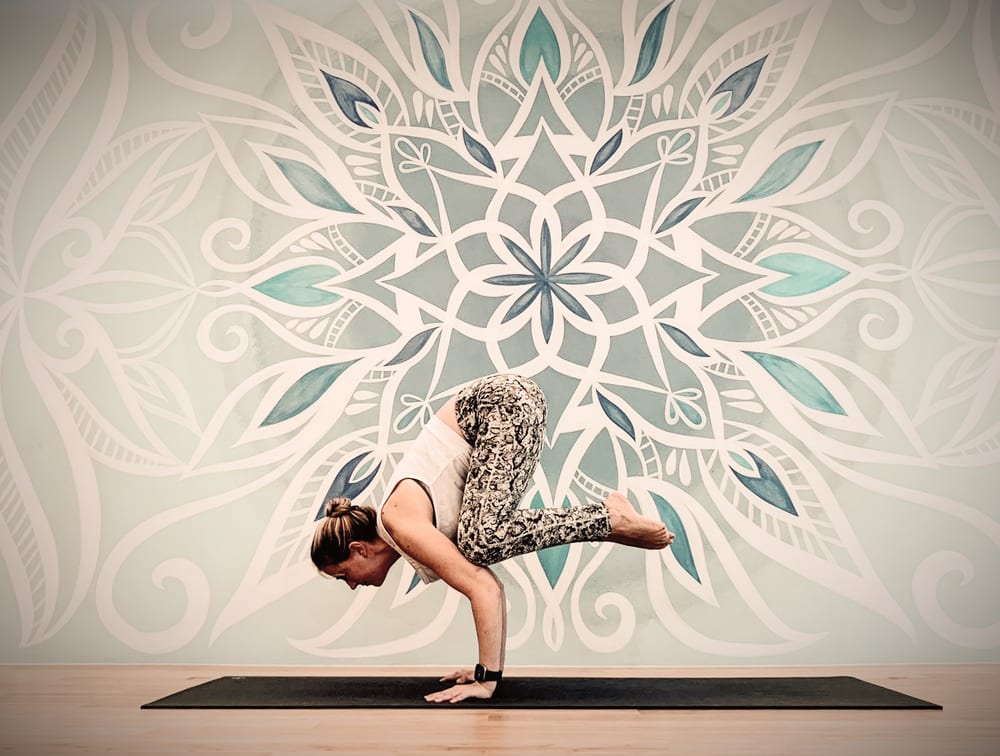
Supports Hormonal Balance
Yoga can help balance hormones by reducing stress, improving blood flow, and stimulating the endocrine system. Certain breathing techniques and asanas also stimulate the vagus nerve, which plays an important part in balancing hormones — regulating the menstrual cycle and the release of sex, growth and gut hormones.
Provides in-the-moment relief for stress and anxiety
Yoga helps with relaxing, focusing and being present. Practising breathing techniques aids in deep breathing to relax, while movement produces mood-boosting endorphins. Certain breathing techniques again stimulate the vagus nerve, which plays an important part in relaxation and sleep.
Helps Cultivate Mindfulness
Yoga aids in cultivating mindfulness and brings the practitioner into the present moment — reducing irritability and anxiety.
Supports Well-being during Pregnancy
Yoga has been shown to reduce stress and anxiety, which can contribute to complications during pregnancy. It may also help lower blood pressure (vital for a healthy pregnancy), improve sleep quality, and improve strength and flexibility throughout the perinatal journey. Maintaining a balanced pelvic floor — strong enough to hold the weight of baby and the internal organs, and able to release and open up for a natural birth — is an important part of prenatal yoga.
The vagus nerve plays a role here too: it touches the womb, so baby is able to feel the vibrations created when certain techniques are used.
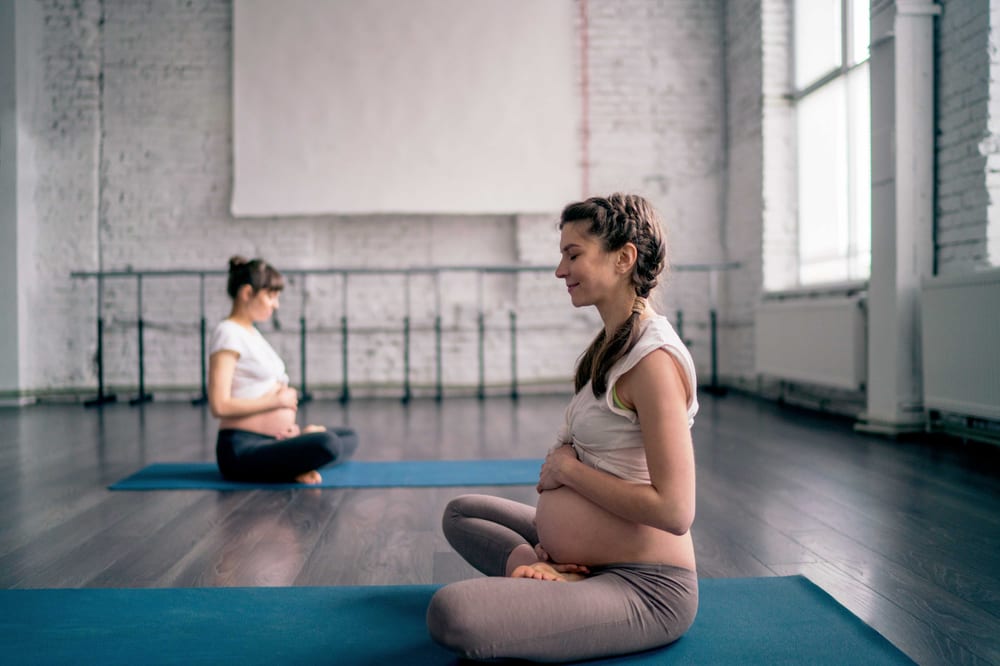
Relieves Menstrual Pain
Some studies suggest regular yoga practice can improve pain tolerance and reduce the intensity of menstrual cramps, as well as regulate hormones that affect menstrual pain and other PMS symptoms.
Asanas that help: Cat/Cow, Cobra, Child's pose, Butterfly, Fish pose and reclined twist. Most importantly: listen to your body — if you need to rest, do just that, or practice a gentler form of yoga like a Restorative class.
May Enhance Fertility
Studies show a positive relationship between yoga and enhanced fertility. Yoga practice may help regulate the endocrine system, enhance blood flow to the reproductive organs, reduce stress, and improve hormonal balance.
Poses to try:
- ✦Supta Baddha Konasana — releases tensions in the hips and groin, where women tend to hold trauma and stress.
- ✦Shoulder stand — an inversion that increases blood flow to the hips and heart, helps regulate the thyroid, and decreases stress and anxiety.
- ✦Warrior 2 — builds strength in the hips, thighs and abdominals; releases negative energy through the hips.
- ✦Goddess Pose — releases tension in the hips and opens the heart centre.
- ✦Puppy pose — opens the shoulders, releases stress, relaxes the hips and brings the hips above the heart, aiding blood flow.
- ✦Bridge pose — opens up the heart and hips; can help with lower back and knee pain by strengthening the core and posterior chain, and improves spinal mobility.
- ✦Savasana — the final meditation in any practice; reduces stress and anxiety, calms the body and mind, and increases overall mental health.
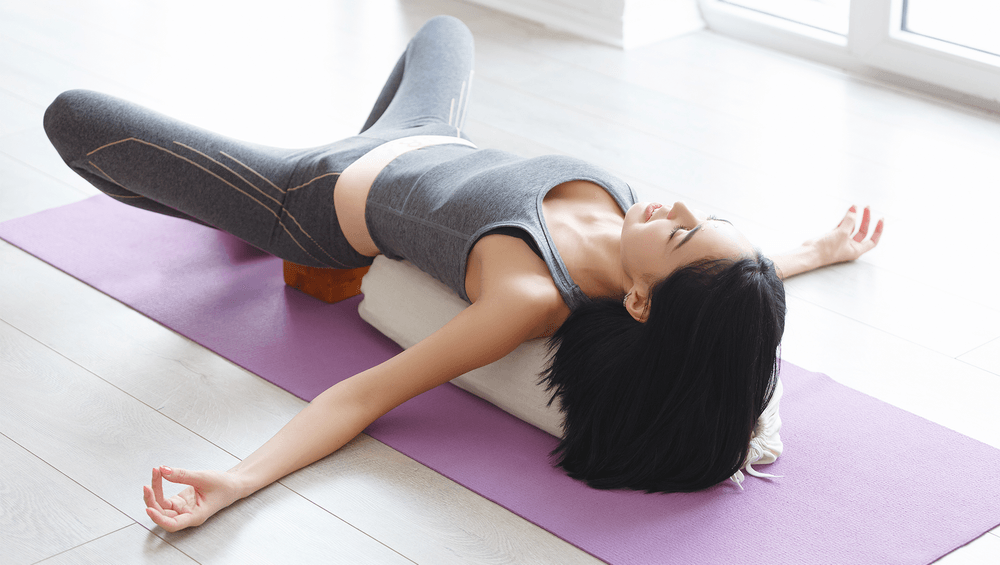
Supports Sleep Quality
Yoga, particularly gentle styles like Restorative Yoga, can improve sleep quality by reducing stress, promoting relaxation, and improving mindfulness — leading to better sleep onset, duration, and overall sleep efficiency.
Yoga Nidra is another style that promotes deep rest and relaxation, aiding in rejuvenating and healing the mind and body, reducing anxiety, improving cognition and supporting restful sleep.
Once again the vagus nerve comes into play — when stimulated and toned, it can aid restful sleep. One technique to tone it during Yoga Nidra is to scan through the body, gradually releasing any tension found.
Can Boost Postpartum Recovery
Specialised Postpartum yoga classes focus on recovery and restoration after childbirth, and can alleviate stress and postpartum depression. They also reduce irritability and anger, enhance calmness and relaxation through meditation, increase energy, lower blood pressure, and reduce muscle tension related to carrying and feeding baby. Joining a postpartum group class can also help build a supportive community and find a new tribe of mums with shared experiences.
Some poses to consider trying:
- ✦Breath work and meditation to connect mind, body and breath.
- ✦Cat and Cow pose for spinal movement.
- ✦Child's pose for restoring the abdomen and increasing blood flow.
- ✦Legs-up-the-Wall pose for increased circulation and balancing the nervous system.
- ✦Savasana for rest and relaxation.
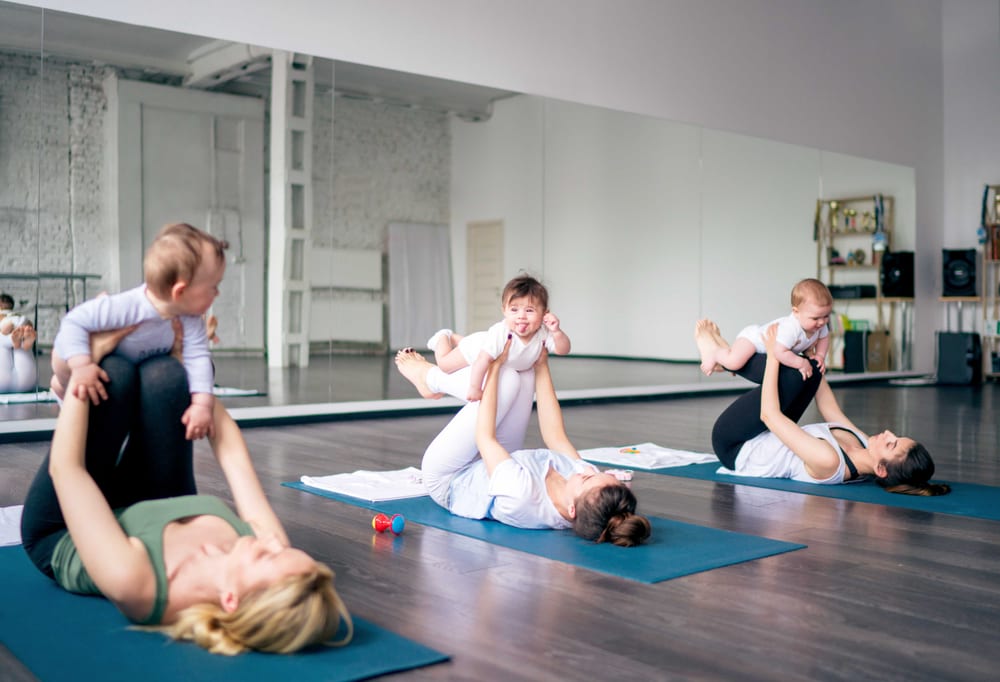
Improves General Physical Health
It goes without saying — yoga delivers numerous benefits for overall health: increased flexibility and strength, improved relaxation and sleep, reduced stress and anxiety, boosted mental wellbeing, and enhanced circulation and heart health.
Increases Flexibility & Strength
With yoga you can improve strength while also working on flexibility, balance and posture — especially when poses are held for extended periods. Hatha yoga focuses more on strengthening as poses are held for longer; vinyasa focuses on flexibility and balance by moving through poses at a faster pace.
Improves Spinal Alignment & Posture
Yoga improves spinal alignment and posture by strengthening core muscles, increasing flexibility and body awareness, and teaching the body to hold itself in a neutral position. Certain poses focus on all the core muscles, including the psoas — incredibly important for spinal alignment and posture.
Benefits Mental Health
Yoga benefits mental health and wellbeing through slowing down, taking some me-time, and focusing on the breath while moving through poses — bringing on a meditative state.
Certain breathing techniques and humming / chanting stimulate the vagus nerve, which helps with rest and relaxation, and dealing with stress and anxiety — all of which benefit mental health.
And once again, yoga aids in achieving better sleep, which will also have a positive impact on mental health.
Keep reading