
Aug 11, 2025 · 4 min read
The Vagus Nerve: Unlocking Wellness for Women Through Yoga
By Melissa Brande

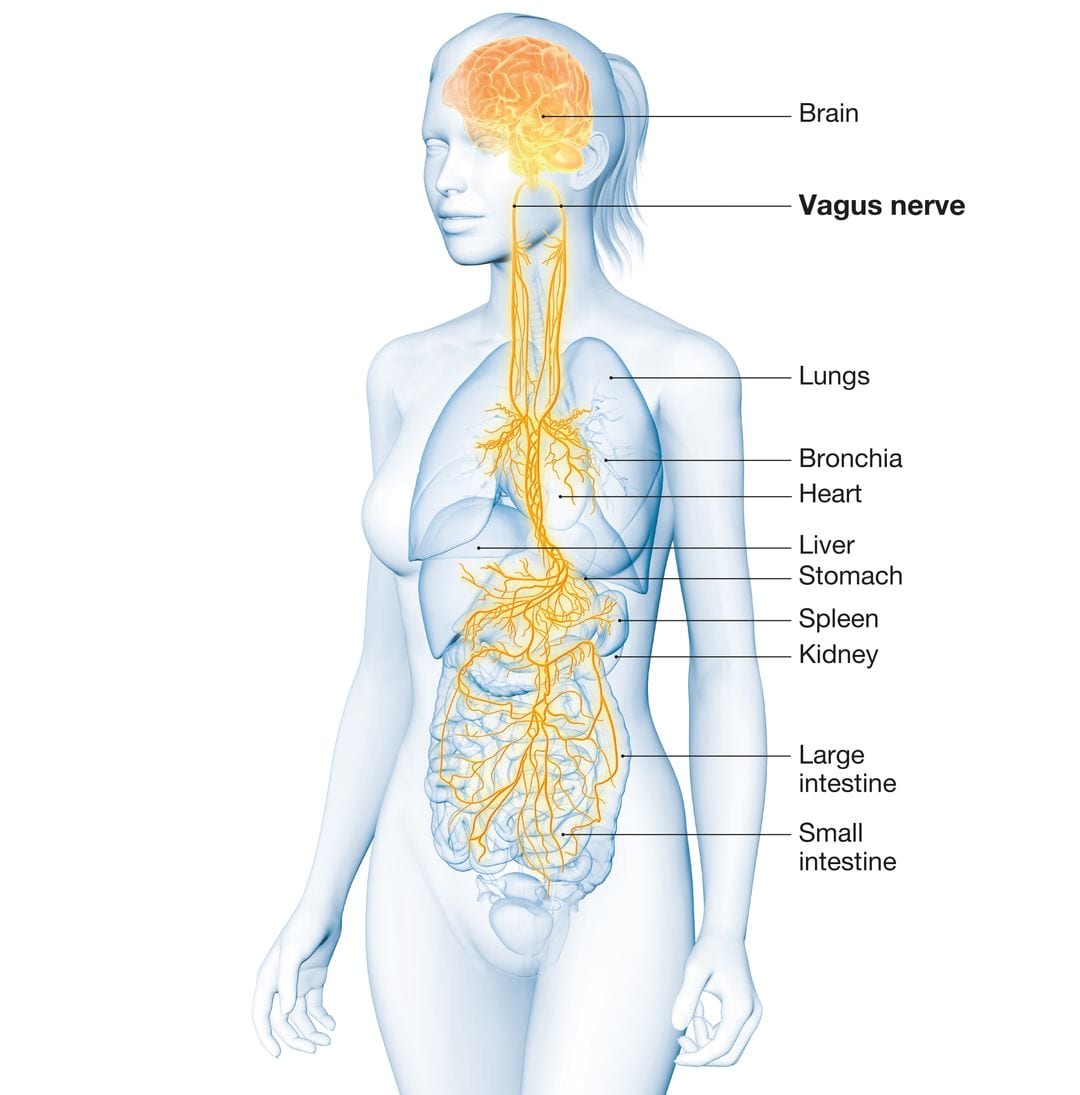
The Vagus nerve is a fascinating and intricate part of our body, and it plays a crucial role in our overall health and wellbeing.
The Vagus nerve is a fascinating and intricate part of our body, and it plays a crucial role in our overall health and wellbeing. Often referred to as the “wandering nerve,” it influences numerous bodily functions, especially surrounding emotional and physical wellness.
The Vagus nerve helps activate the parasympathetic nervous system, promoting relaxation, calmness, and emotional resilience. Chronic stress, on the other hand, activates the sympathetic nervous system, causing anxiety and stress symptoms. To counteract this, you can stimulate the Vagus nerve, which can help shift your body out of “fight-or-flight” mode and into a more balanced state.
In this post we'll explore the significance of the Vagus nerve and how yoga can be a powerful tool for women to enhance its function and promote holistic wellness.
Regulation of Heart & Respiratory Functions
The Vagus nerve is essential for regulating heart rate and breathing — critical components of overall health. It helps to slow down the heart and promote calmness through its connections with the brain and heart. When we engage in yoga, particularly through controlled breathing practices known as pranayama, we stimulate the vagus nerve, enhancing vagal tone.
Research shows higher vagal tone correlates with improved cardiovascular health and respiration. This is significant for women, as they often experience unique stressors that can impact heart health. Incorporating yoga into your routine can help elevate vagal tone, leading to a lower heart rate and improved respiratory function.
Maintains a Healthy, Balanced Immune System
The vagus nerve plays a pivotal role in the immune system, modulating inflammation and promoting resilience against pathogens. This is particularly important for women, given the hormonal and metabolic changes they experience throughout their lives.
Yoga practices, with their inherent focus on deep breathing and mindfulness, can support this immune modulation. Specific poses that promote relaxation and improve circulation can enhance vagal activity and help maintain a healthy immune response. Gentle twists and restorative poses during a session can stimulate the vagus nerve and bolster your immune defences.

Support for Digestive Health
The vagus nerve influences digestion by connecting the brain and gut, facilitating communication essential for processes like stomach acid production and gut motility. A healthy vagus nerve can lead to improved digestion and gut health, which is vital for overall wellness.
Yoga encourages mindful movement and breathwork, which can improve gut motility and enhance digestive function. Techniques such as cat-cow or seated forward bends stimulate the vagus nerve and promote digestion. Engaging in yoga regularly can lead to a healthier gut and reduced digestive issues.

Mental Health & Emotional Wellbeing
The connection between the Vagus nerve and mental health is profound. Vagal activity is linked to stress reduction and emotional balance. For women juggling multiple roles, yoga can serve as a crucial tool for managing stress.
Practices such as yoga nidra or restorative yoga can enhance vagal tone, aiding stress relief and emotional stability. By integrating yoga into your routine, you can cultivate a greater sense of calm and emotional resilience, improving overall mental health.

Sends Bidirectional Sensory & Motor Information Between Brain & Uterus
One of the unique aspects of the vagus nerve is its connection to women's reproductive health. It sends sensory and motor information between the brain and the uterus, contributing to reproductive function and hormonal balance. Understanding this connection can empower women to take charge of their reproductive health.
Yoga can support this vital communication. Poses that encourage pelvic floor engagement or opening of the hips can stimulate the vagus nerve, promoting better communication between the brain and reproductive organs. Practices focused on grounding and connecting with one's body can enhance this awareness and support overall reproductive health.

Inflammation Control
Vagal activity is crucial for controlling inflammation within the body. The vagus nerve can inhibit inflammatory processes, making it a valuable asset in maintaining overall health. With women experiencing hormonal fluctuations and immune responses differently, supporting vagal function can be especially beneficial.
Incorporating yoga as part of a daily routine can enhance vagus-nerve activation, aiding inflammation control. Practices that emphasise breath control and mindfulness can significantly reduce inflammatory markers in the body. Gentle yoga flows, restorative poses and meditation can all help harness these benefits.
Embrace Your Wellness Journey
Understanding the vagus nerve is essential for women aiming to enhance their wellness. Through yoga, women can stimulate vagal tone, support cardiovascular and respiratory health, maintain a balanced immune system, promote digestive health, foster mental and emotional wellbeing, enhance reproductive health, and control inflammation.
Incorporating yoga into your daily routine can lead to profound changes in your health and wellness. Whether you're a seasoned yogi or just starting out, focusing on practices that enhance vagal activity can unlock the path to holistic wellbeing.
Explore different styles, listen to your body, and embrace the journey toward enhancing your connection with the vagus nerve and overall wellness. Your health is your wealth, and yoga can be a powerful ally on this journey.

Keep reading